
We successfully cope with tasks of varying complexity, provide long-term guarantees and regularly master new technologies.
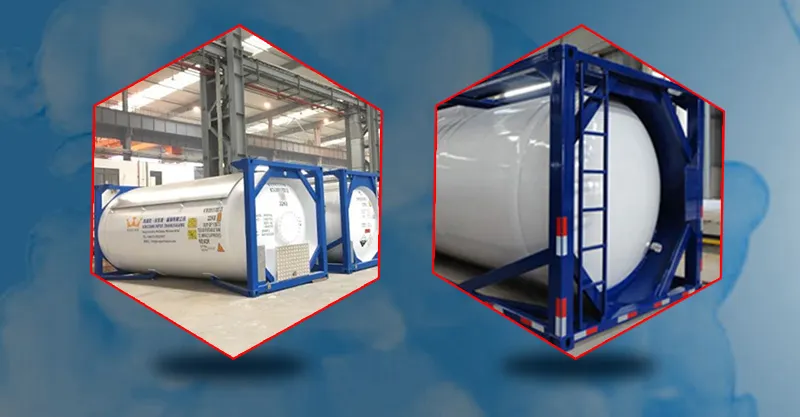
Anhydrous ammonia is a colorless non-flammable liquefied gas. Its vapor is lighter than air [(vapor density of 0.6) air = 1] and has the same pungent odor as household ammonia. Although ammonia vapor is lighter than air, the vapors from a leak may hug the ground appearing as a white cloud.
| Purity : | 99.99% |
| Oil (Max) : | 10 PPM |
| Moisture (Max) | 0.01% |
| Pyridine | Nil |
| Napthanlene | Nil |
| Phosphic : | Passes Test |
| Sulpuer Compounds : | Passes Test |
| Property | Specification |
|---|---|
| Purity {min}: | 99.50% |
| Oil Content (Max) : | 3.6% |
| Moisture (Max) | 0.45% |
| Residue on evaporation % by vol. {max} | 0.05% |
| Napthanlene | Nil |
| Pyridine : | Nil |
| Phosphine : | Passes Test |
| S. Compounds | Passes the test |
| Phenolic Compds | Passes the test |
| ANHYDROUS AMMONIA conforms to IS | 662-1955 |
Anhydrous Ammonis can be a good and economical source of nitrogen (N) fertilizer for corn, It is a gas that quickly reacts organic matter in the soil. Nitrification is a temperature-dependent process in the soil that converts ammonium-N to nitrate-N